Tactical Adjustments for The New Saints: A Path to Improvement
The New Saints have shown glimpses of their potential this season, but inconsistency has hindered their progress. As they aim for dominance in the Cymru Premier, a tactical assessment of their recent form reveals areas for improvement that could significantly influence their performance in the coming matches.
Current Form Analysis
In their recent outings, The Saints have displayed a strong attacking intent, often pushing forward with flair and creativity. However, they have struggled to convert possession into clear-cut chances, leading to frustrating draws and narrow losses. The attacking trio, while talented, often seems disjointed at times, with players occupying the same spaces rather than exploiting the width of the pitch. This pattern suggests a need for clearer positional play and communication among forwards.
Defensively, The Saints have also shown vulnerabilities, particularly on the counter-attack. Opponents have been able to exploit spaces left behind as the team commits players forward, resulting in goals conceded that could have been avoided with better organization. The backline, though solid in stature, sometimes lacks the necessary cohesion, with defenders appearing disconnected from midfielders during transitions.
Suggested Tactical Tweaks
To address these issues and harness their attacking potential more effectively, several tactical tweaks could be beneficial:
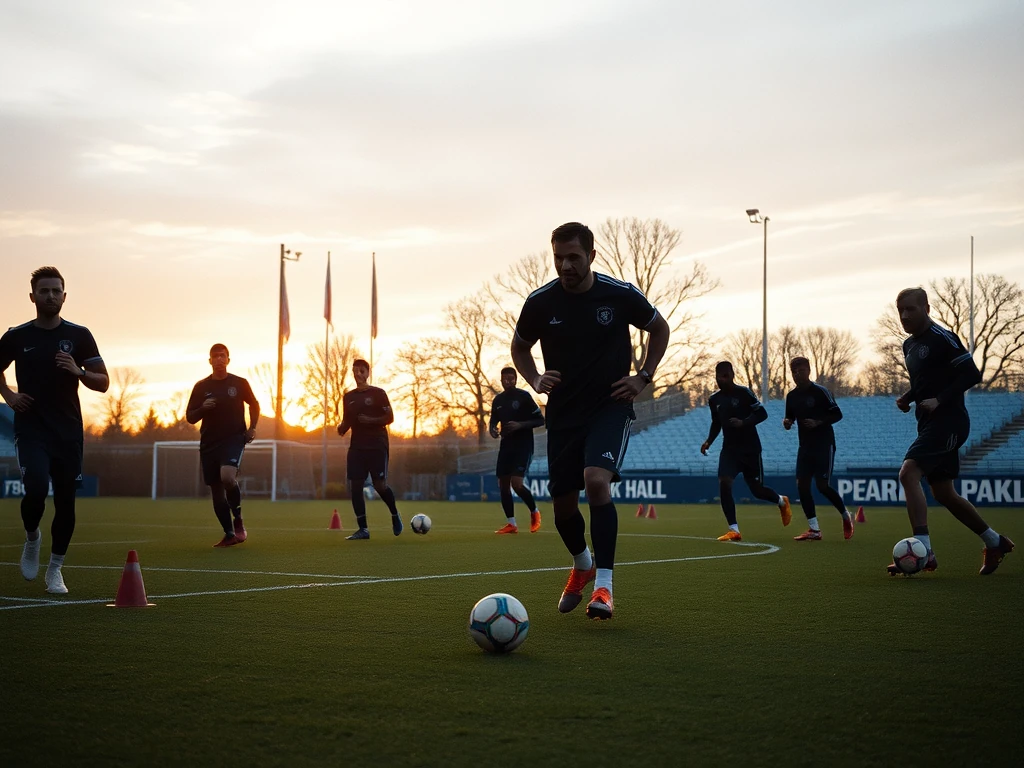
1. Width and Positioning: Encouraging wingers to stay wide will stretch the opponent's defense, creating more space for central players to operate. This can be achieved through structured positional drills during training, ensuring players understand their roles within the formation. Utilizing overlapping runs from full-backs can also create additional width, allowing for more crossing opportunities into the box.
2. Fluid Formation Adjustments: Implementing a more fluid formation, such as transitioning between a 4-3-3 and a 4-2-3-1, could provide more stability in midfield while still allowing for attacking depth. This flexibility would enable The Saints to adapt to different match situations and maintain control when under pressure. Adjusting the roles of the midfielders to include more defensive responsibilities can help shield the backline, especially when counter-attacks occur.
3. Enhanced Communication: Fostering a culture of communication on the pitch is vital. The Saints could benefit from instilling a habit of players constantly talking to each other, especially during transitional phases. This will help maintain shape and ensure that everyone is aware of their duties, particularly when the team is defending after losing possession.
4. Set-Piece Strategy: Given the physicality of their squad, The Saints should place a greater emphasis on set pieces, both offensively and defensively. Developing specific routines for corners and free-kicks can capitalize on their aerial strengths, while reinforcing defensive organization during opponent set pieces will mitigate risks.
5. Player Rotation and Substitutions: To keep energy levels high and players fresh, implementing a rotation policy could be effective, particularly during congested fixture periods. Strategic substitutions can also be used to change the dynamics of a game, introducing fresh legs or different skill sets that can exploit tired defenses as matches progress.
Conclusion
By implementing these tactical adjustments, The New Saints can refine their approach and enhance their performance as the season progresses. The potential is there for them to rise above their rivals, but it will require a cohesive and adaptable strategy that aligns with the strengths of their squad. With the right tweaks, The Saints can look forward to a successful campaign and reclaim their place at the summit of Welsh football.