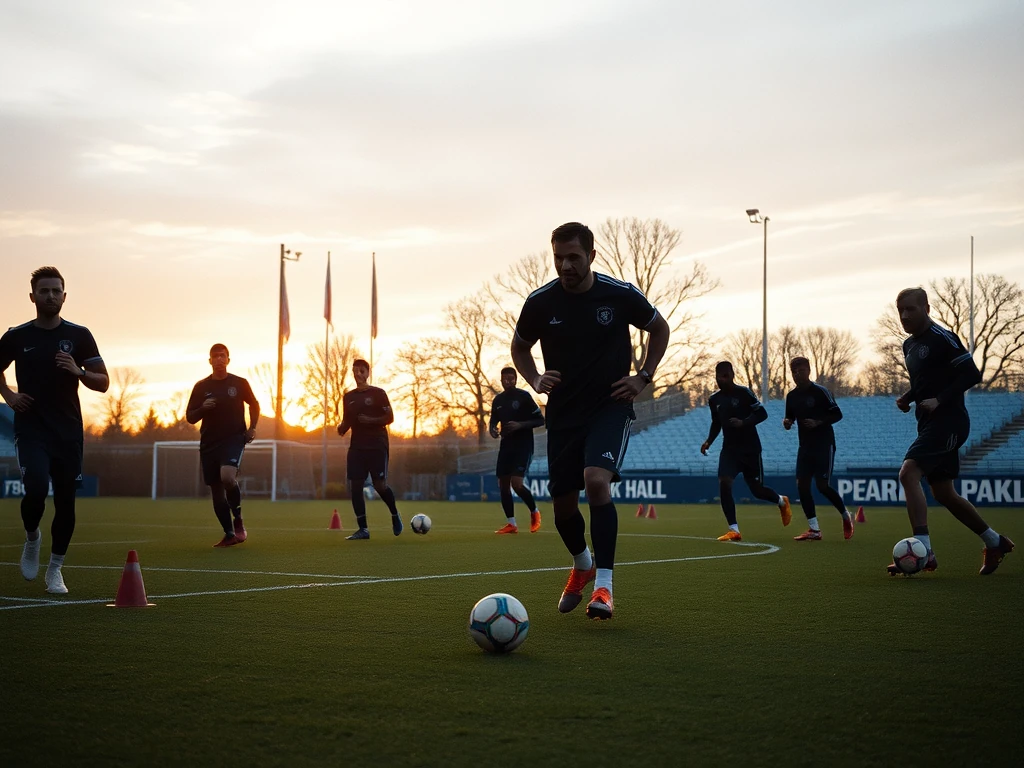

This season, The New Saints' attacking play has captured attention, defined by fluid movement and strategic positioning. Emerging from the tactical framework established by the coaching staff, the forwards have worked diligently to create openings. A key contributor has been R. Brobbel, whose burst of pace frequently disrupts opposition defenses. By maintaining width on the flanks, he creates space for overlapping runs by midfielders.
Through recent matches, data from API-Football highlights the efficiency of The New Saints' attack. They average 1.8 goals per match with a conversion rate of almost 15%. The interplay between forwards and midfield has showcased their versatility. Daniel Barton often drops deeper to link play, allowing players like D. Corness to exploit gaps in the box, this combination has yielded multiple scoring opportunities in recent games.
In crunch fixtures, the team has proven effective at quick transitions. When regaining possession, they swiftly move the ball upfield, with J. Edwards often initiating counter-attacks from the back. His ability to read the game enables the team to transition from defense to offense seamlessly. Notably, in their recent clash against Connah's Quay Nomads, The New Saints capitalized on a quick break, finishing clinically.
Such tactics haven't just been successful; they are adaptable. When facing stronger opponents, adjustments are made to address specific threats, especially in high-stakes matches. This flexibility in strategy has allowed The New Saints to remain competitive against various styles of play, demonstrating their tactical evolution under pressure. The upcoming challenges will test this adaptability further as they seek to maintain their position at the top of the league.